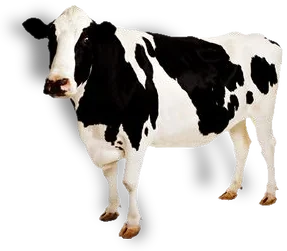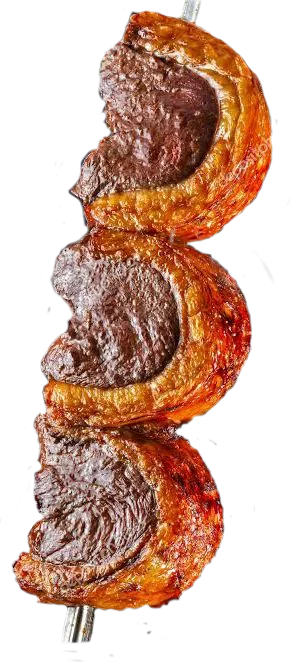
Nutritional richness
There are no nutrients unique to plants that we cannot get from animals.
A visual guide based on Jade Soller’s presentation
Chapter 01
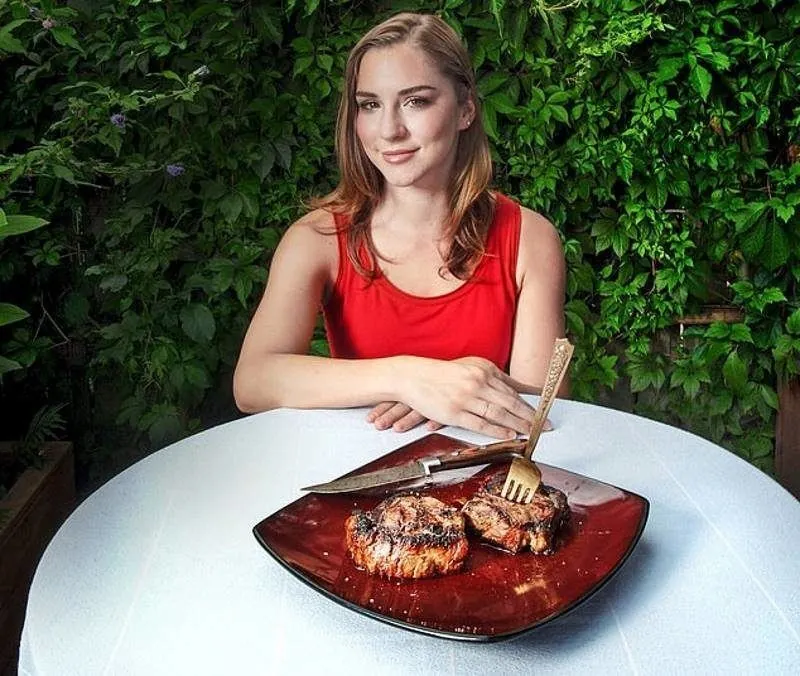
An eating strategy based on foods of animal origin.
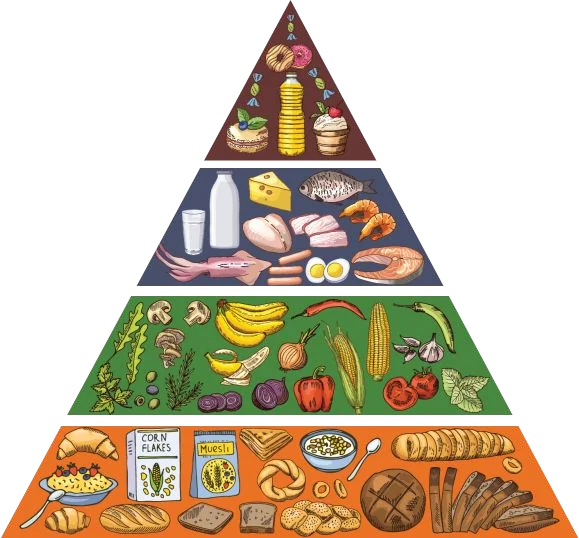
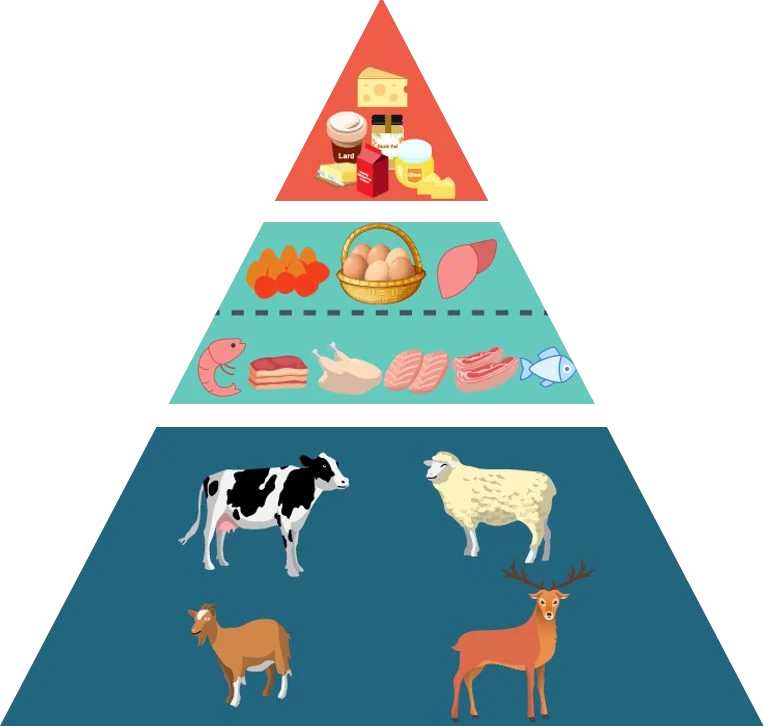
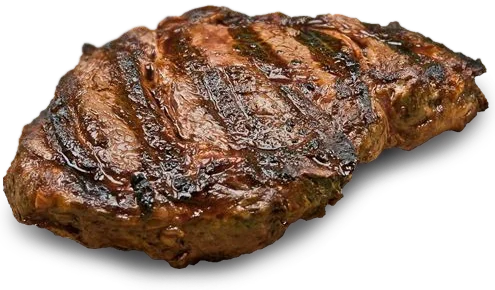
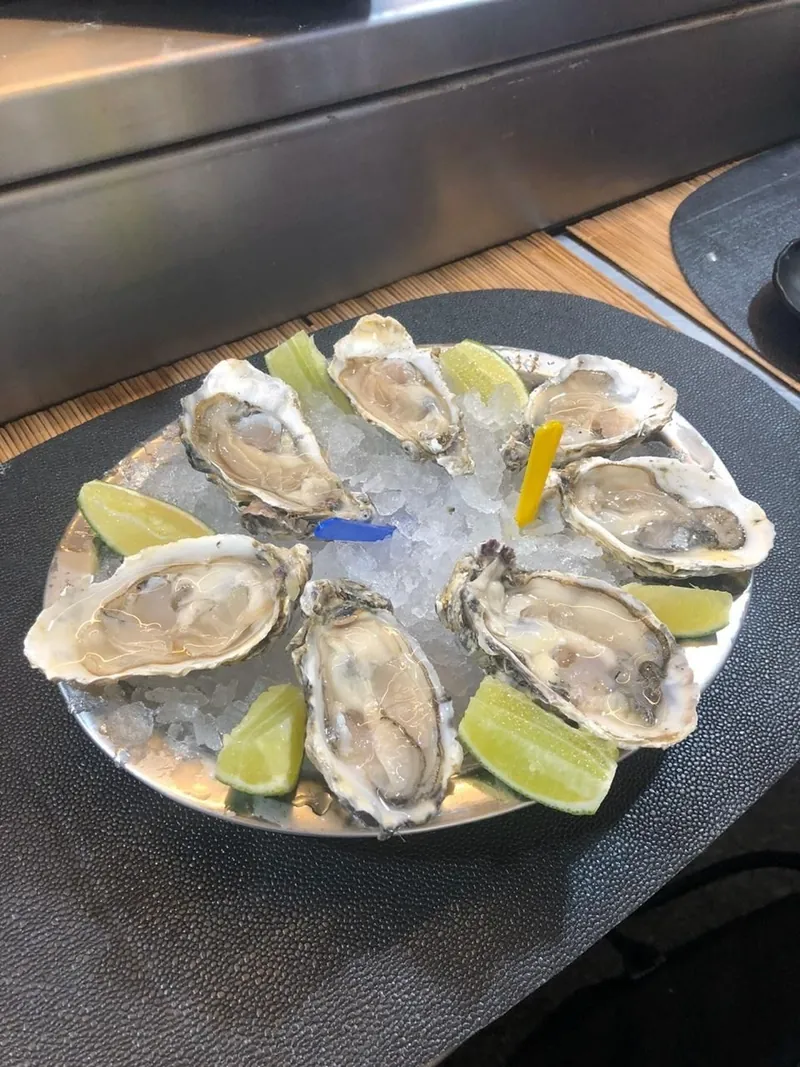
Example dishes
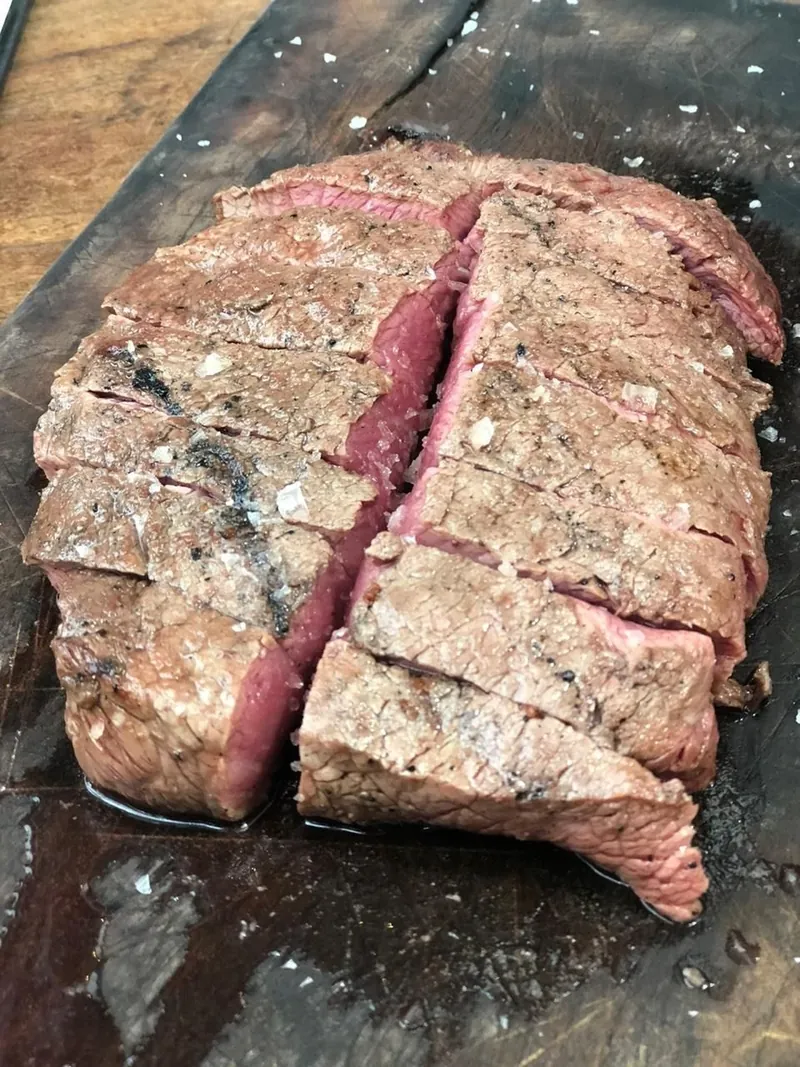
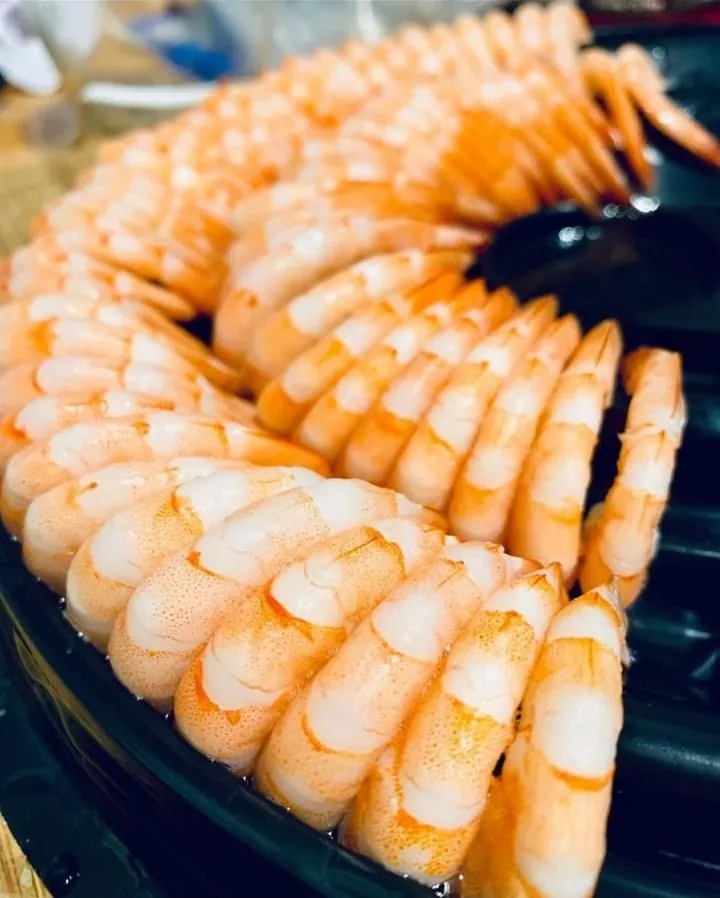
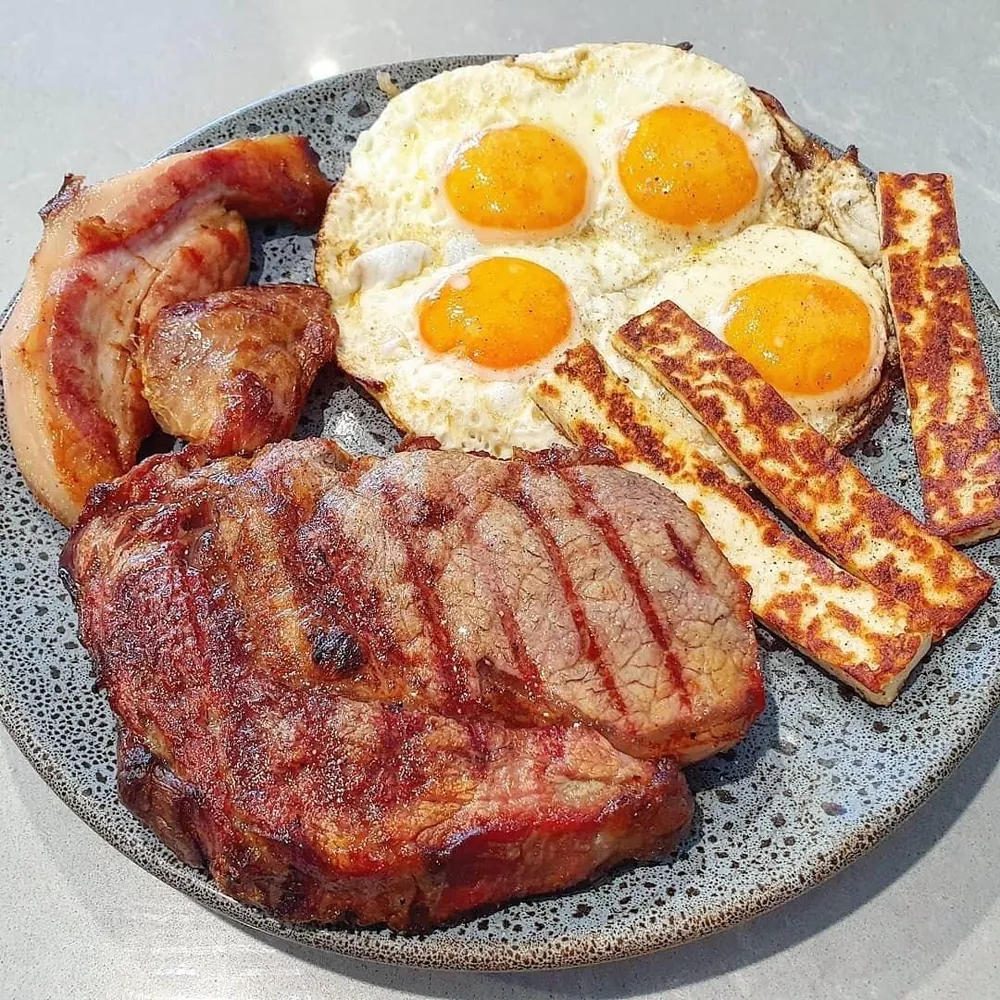
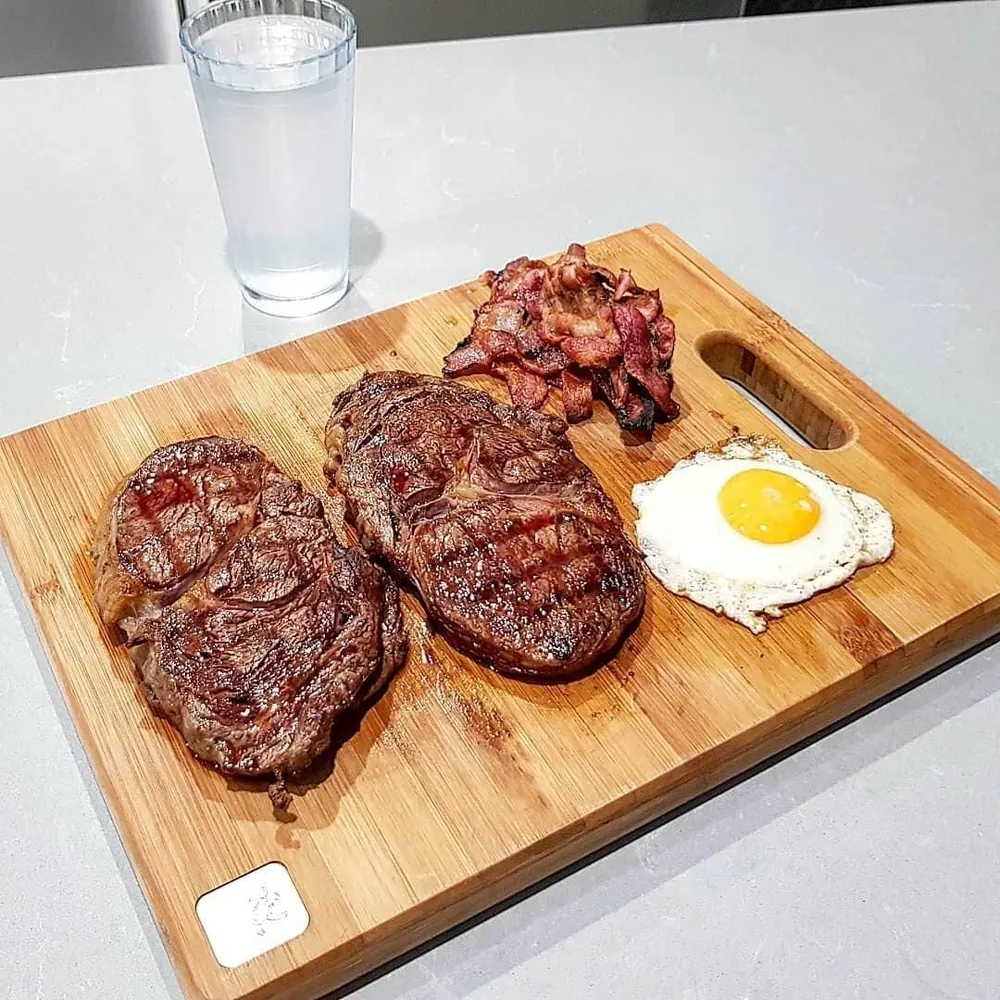
There are no nutrients unique to plants that we cannot get from animals.
Meat is highly bioavailable: the body breaks it down and absorbs its nutrients easily.
Antinutrients interfere with the absorption of beneficial nutrients and minerals.
Nutrient density
Percentage of the recommended daily intake covered by 100 g of each food. Look at iron, zinc, copper and iodine.
| Plant | Animal products | |||
|---|---|---|---|---|
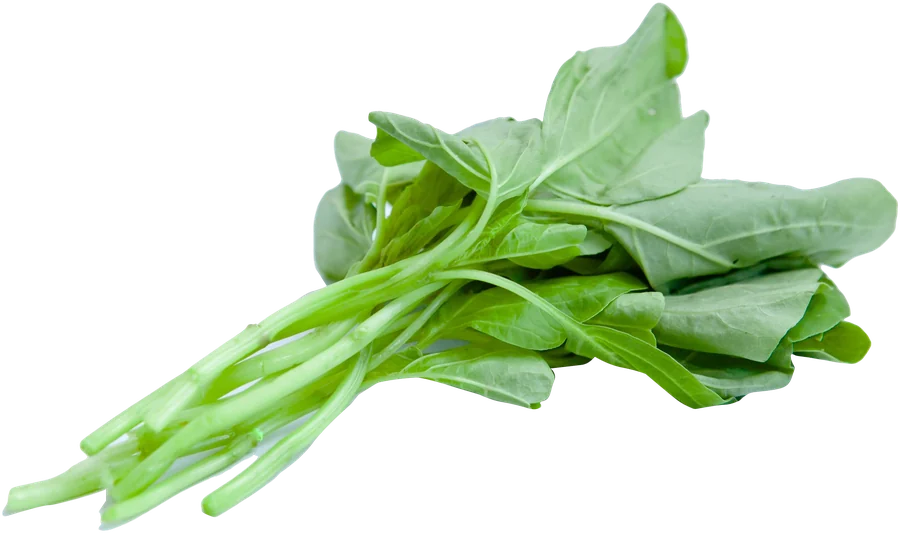
| Nutrient | Spinach | Beef liver | Beef | Salmon roe |
| Vitamin A (retinol) | carotenoids | 2200% | 2% | 13% |
| Vitamin B9 (folate) | 20% | 60% | 1% | 3% |
| Vitamin B12 | 0% | 2000% | 164% | 600% |
| Vitamin C | 52% | 22% | 0% | 18% |
| Vitamin D* | D2 | 2% D3 | 2% | 10% |
| Vitamin E | 11% | 2% | 4% | 83% |
| Vitamin K2 | 0% | 127% | 19% | 0% |
| Iron | 32.8% non-heme | 63% heme | 16% | 5% |
| Zinc | 7% | 47% | 47% | 12% |
| Copper | 10% | 466% | 6% | 24% |
| Iodine | 6% | 2% | 0% | 65% |
| Omega-3 EPA | 0 mg | 10 mg | 12 mg | 1240 mg |
| Omega-3 DHA | 0 mg | 84 mg | 0 mg | 1762 mg |


Cured of many illnesses
…and a few others.
21years on carnivore
46years old
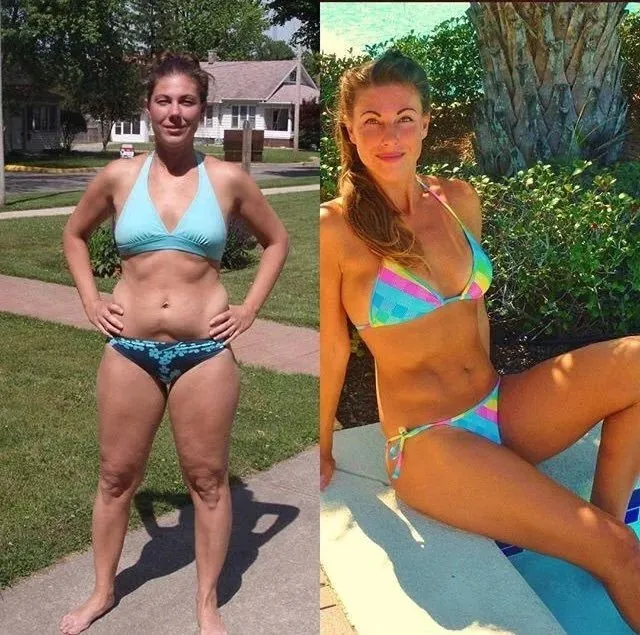
Cured of autoimmune diseases
Juvenile rheumatoid arthritis at age 7, which led to a hip and an ankle replacement in her teens.
She took several medications and suffered from serious skin problems such as eczema, rashes, itching and severe acne, as well as depression and chronic fatigue.
Before and after photos of people who adopted the carnivore diet.


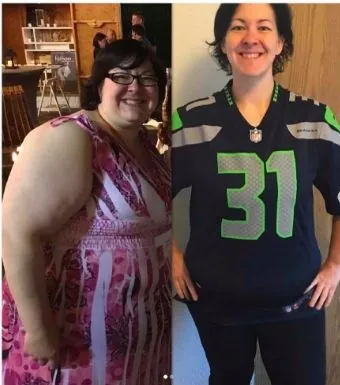

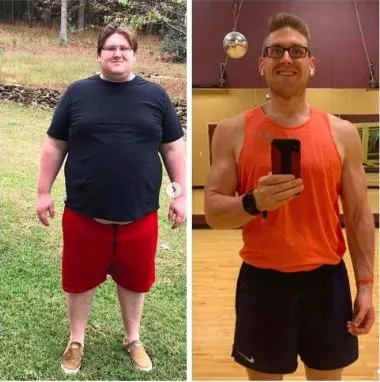
Image source: meatrx.com/library/transformations
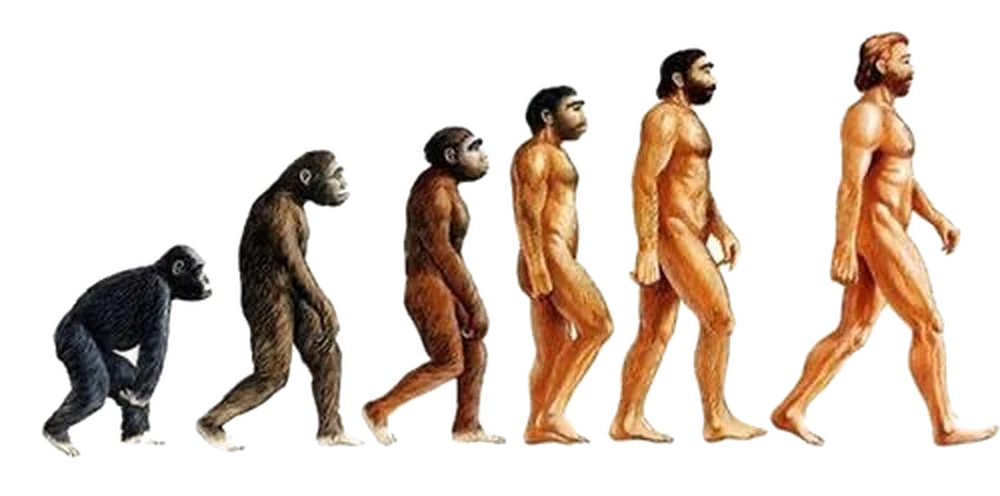
From Homo habilis, through Homo erectus and Homo neanderthalensis, to Homo sapiens
Why?
Optimal Foraging Theory describes our preference for the foods that give the greatest possible return in calories.
The most nutrient-dense, calorie-rich food is meat, complete in vitamins, minerals, fatty acids and essential amino acids.
99%
of plants are not edible
and are only available in season
100%
of animals are edible
and are available all year round
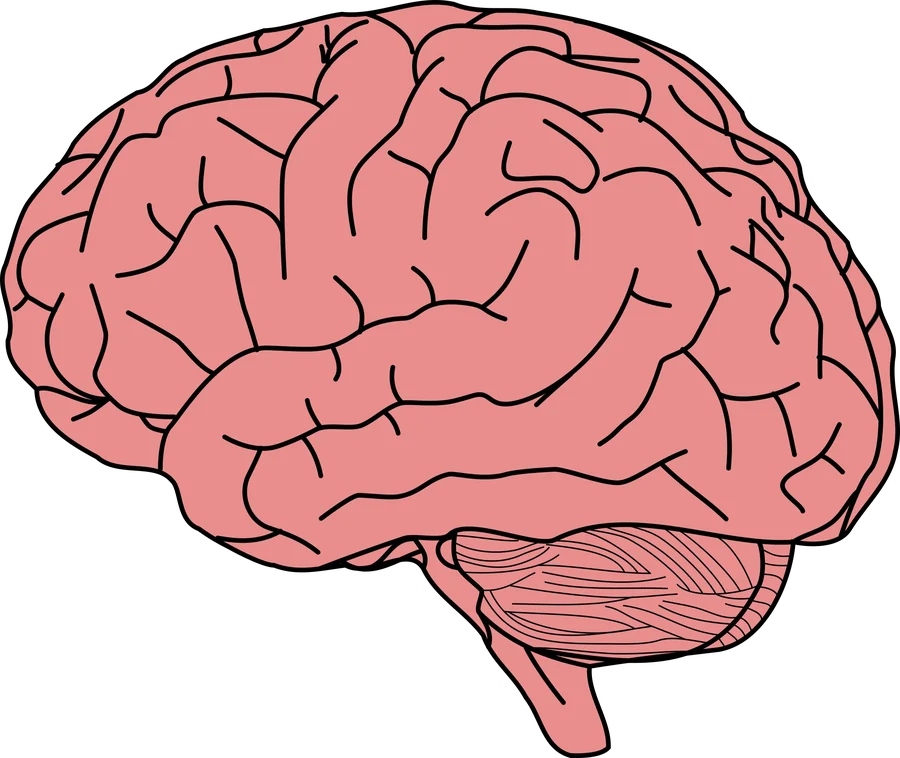
Approximate brain volume (cm³) over human evolution
| Species | Million years ago | Brain volume |
|---|---|---|
| Anthropoid ape | ≈ 9.5 | ≈ 390 cm³ |
| Australopithecus | ≈ 3.9 | ≈ 465 cm³ |
| Homo habilis | ≈ 1.7 | ≈ 570 cm³ |
| Homo erectus | ≈ 0.7 | ≈ 900 cm³ |
| Homo sapiens | today | ≈ 1400–1500 cm³ |
Approximate values, read from the chart in the presentation.
| Meat-based diet | Plant-based diet |
|---|---|
| Easy on the gut | Hard work for the gut |
| Very satiating | Always wanting more food |
| Readily available nutrients | Less bioavailable |
| Few or no toxins | Full of plant toxins |
The same protein, very different amounts
Broccoli
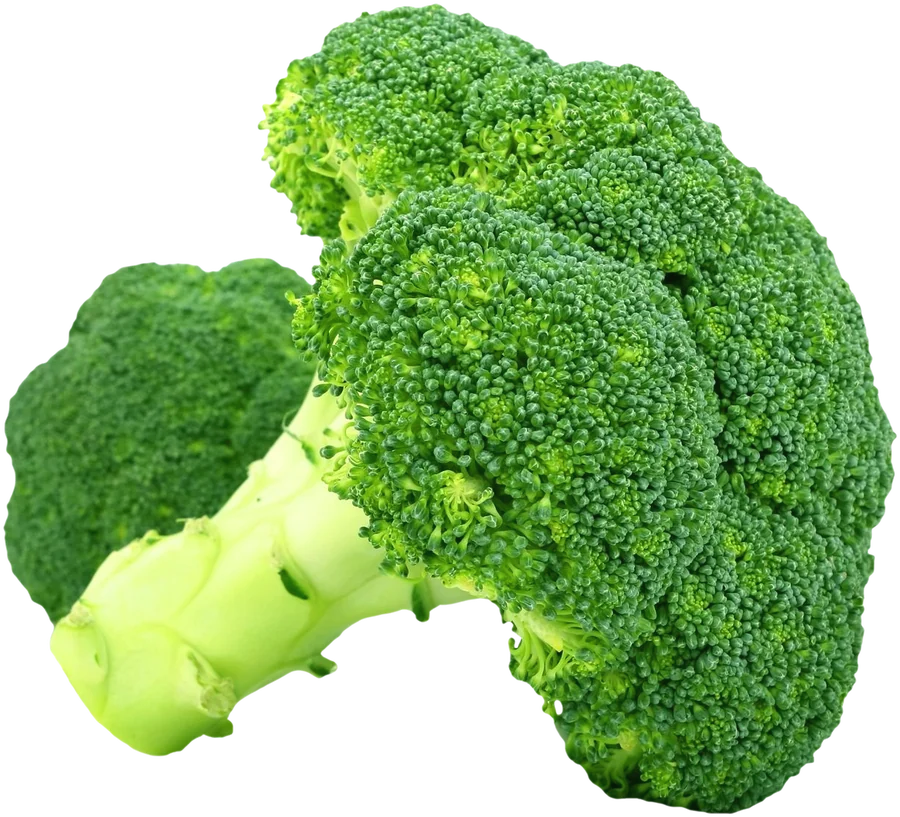
1.4 kg
Beef chuck
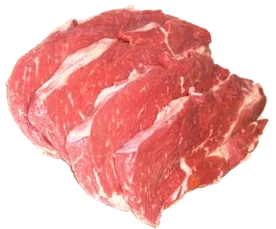
180 g
An amino acid that matters for maintaining muscle mass
Spinach
+10 g of oxalate
900 g
Steak
80 g
In perspective
If all that time were a single 24-hour day, at what time did the changes in our diet arrive?
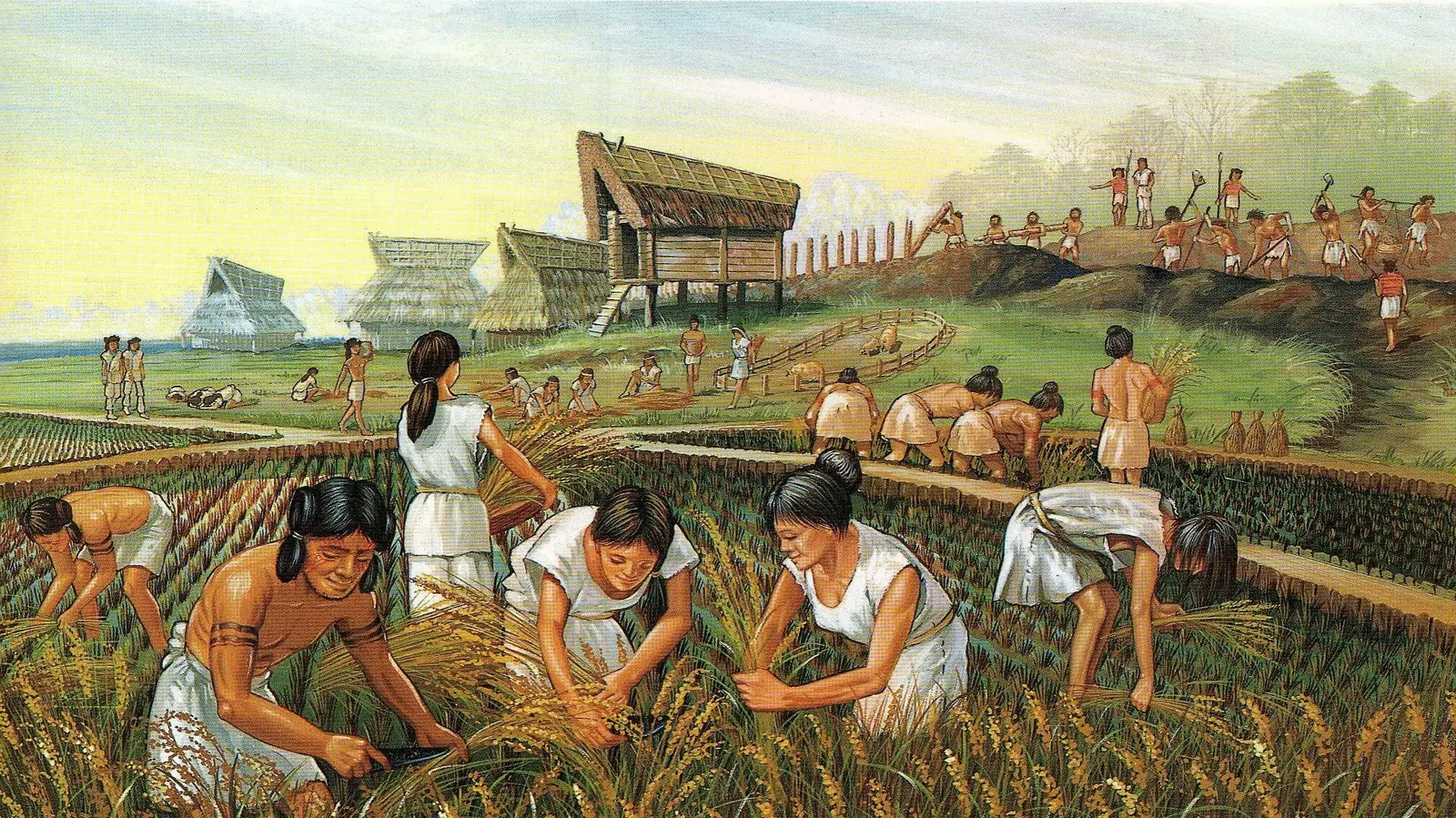
10,000 years ago · Agricultural Revolution
On the 24-hour clock: 23:52:48
By adopting agriculture, humans became shorter and less healthy. We paid a high biological price for agriculture.
A review of studies on the health impact of early agriculture:
2011
Economics & Human Biology 9(3):284–301
doi:10.1016/j.ehb.2011.03.004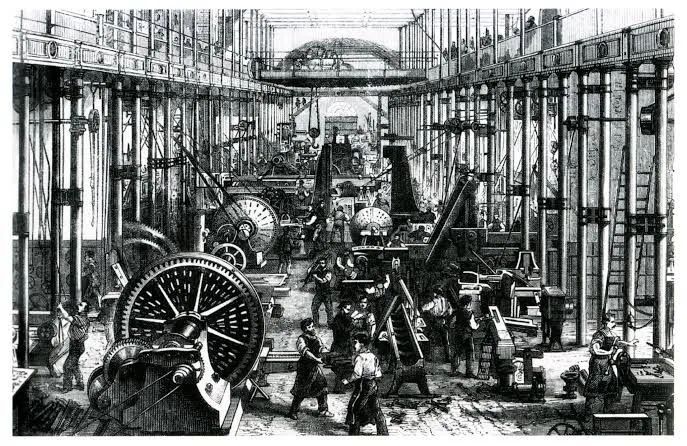
350 years ago · Industrial Revolution
On the 24-hour clock: 23:59:45
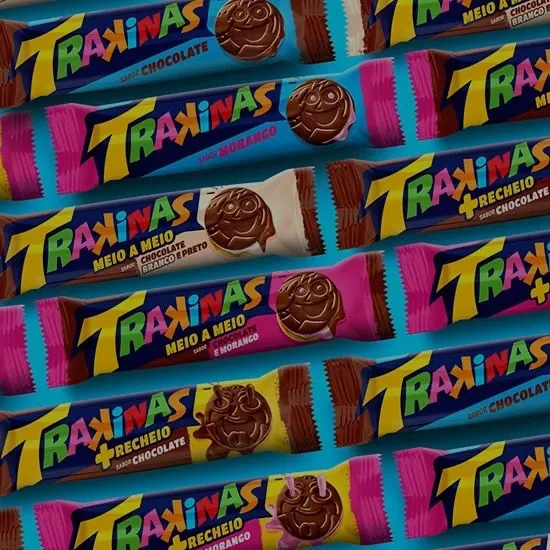

70 years ago
On the 24-hour clock: 23:59:57
By focusing on the wrong food groups.
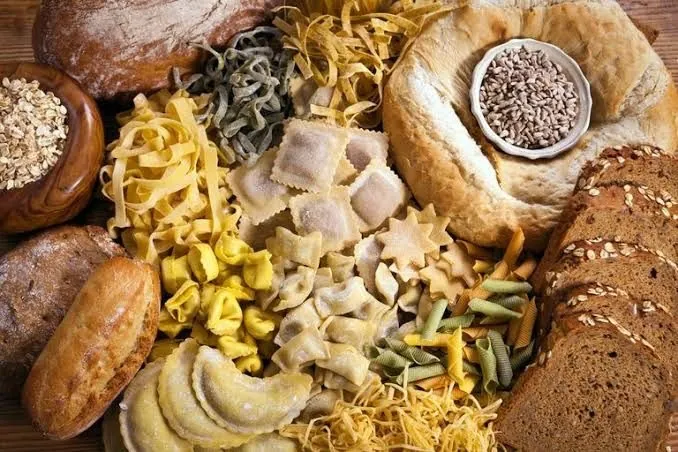
such as bread, pasta and grains
120 gwhat the brain needs
200 gwhat the liver can make
Through gluconeogenesis, the liver can make 200 g of glucose a day, more than the 120 g the brain needs.
When we switch to fat as our energy source, we produce ketone bodies, the preferred fuel of neurons.
Many studies compare people who eat more meat with people who eat little or no meat. These comparisons in observational studies are full of confounding factors that the statistical analyses in these papers do not adequately resolve.
They are useful for raising hypotheses, but they do not establish cause and effect; they establish a correlation.
When epidemiological or observational studies implicate red meat in causing disease, they compare, within a pool of thousands of people answering questionnaires, those who eat less red meat with those who eat more.
Could these groups differ in other ways, besides the kind of meat they eat?
People who follow health advice to the letter, such as eating less red meat, tend to look after themselves in every other way too. So, in an observational study, meat ends up taking the blame for other habits.


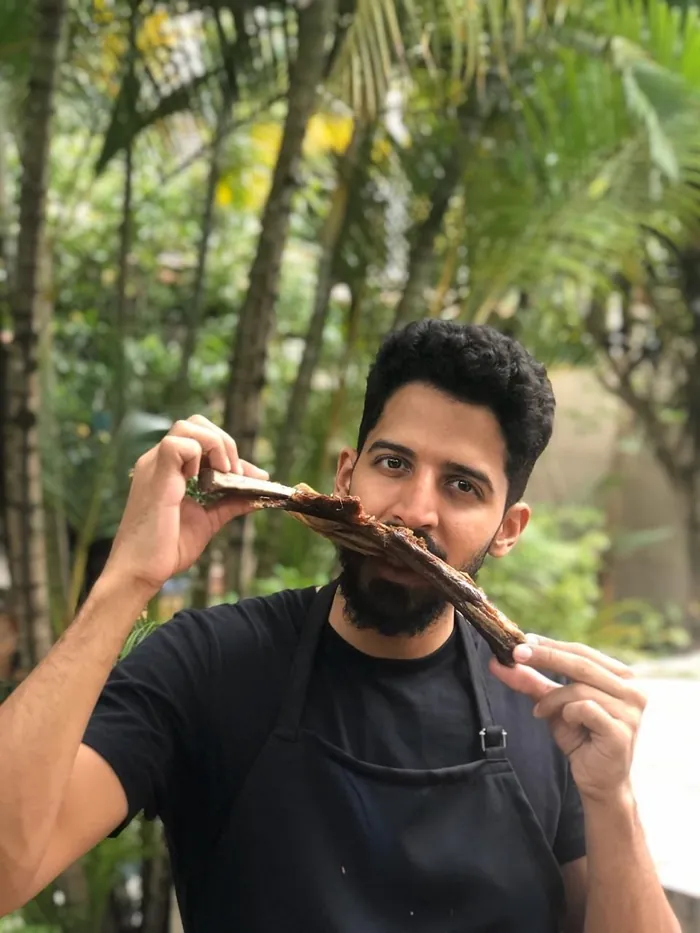
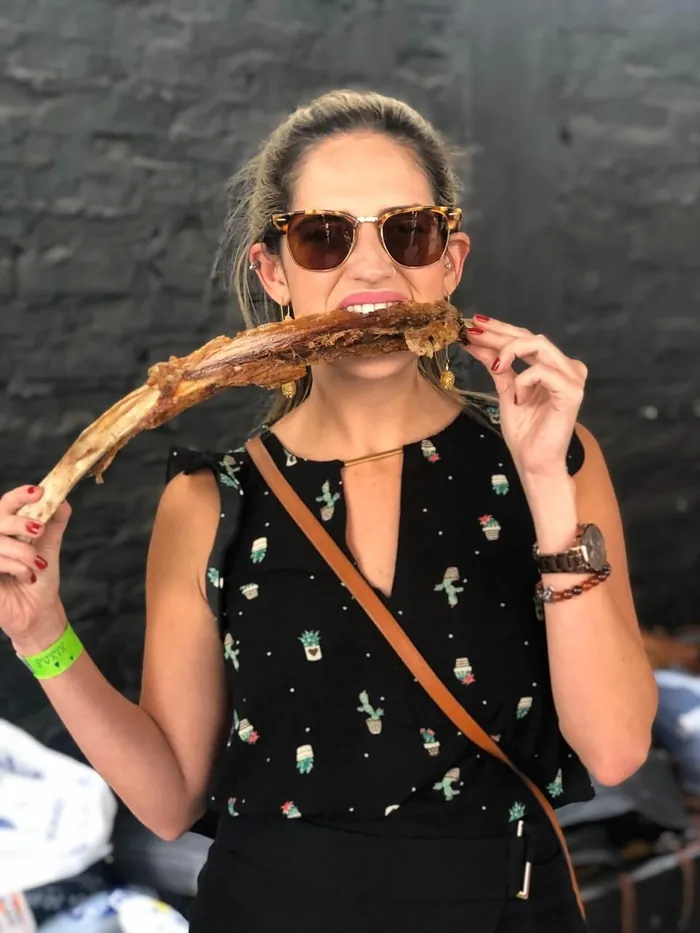
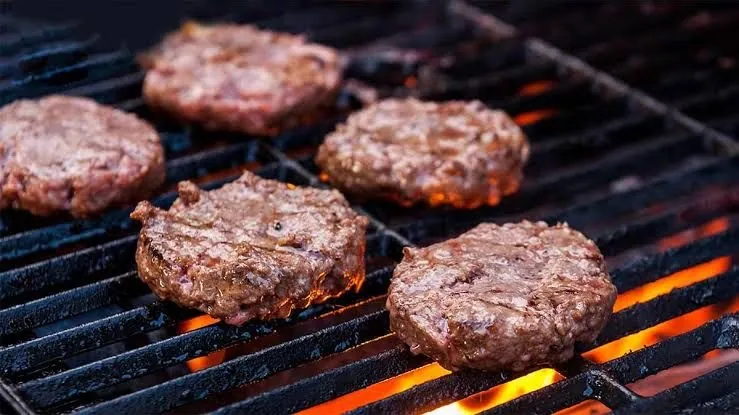
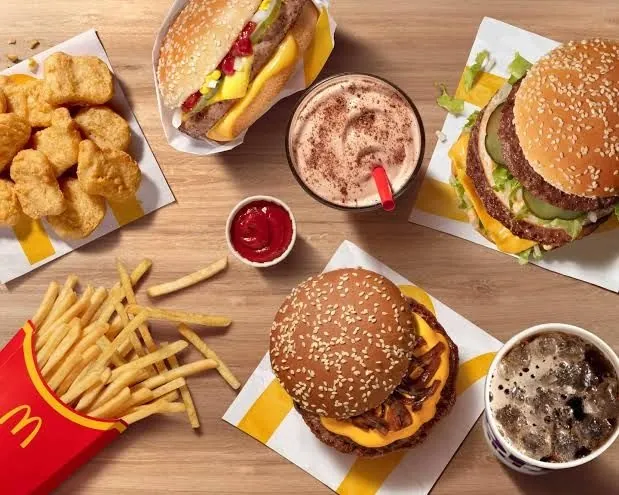
Yes, and it has been proven
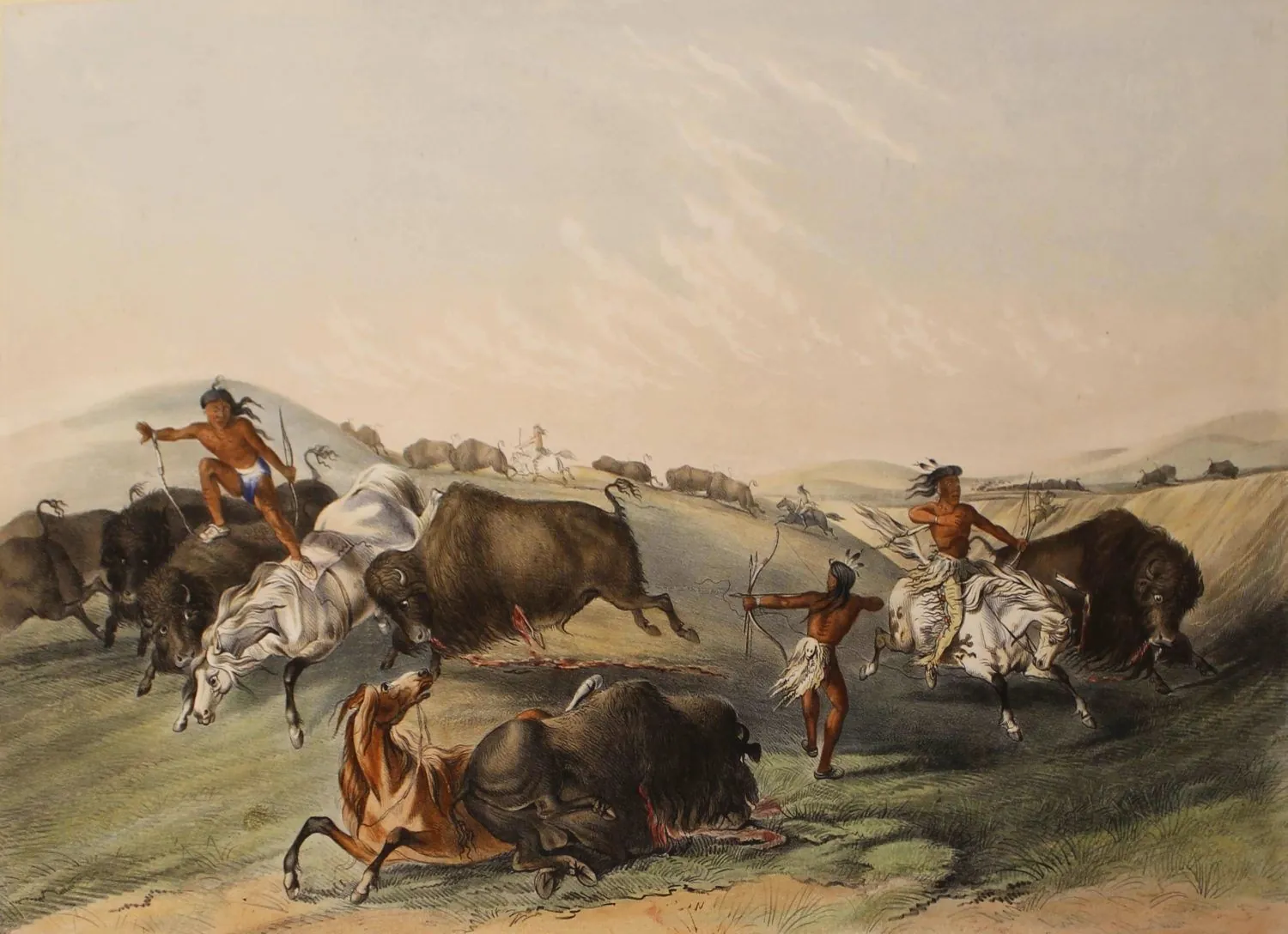
for centuries
Atlas
Tap a point on the map to go to their story.
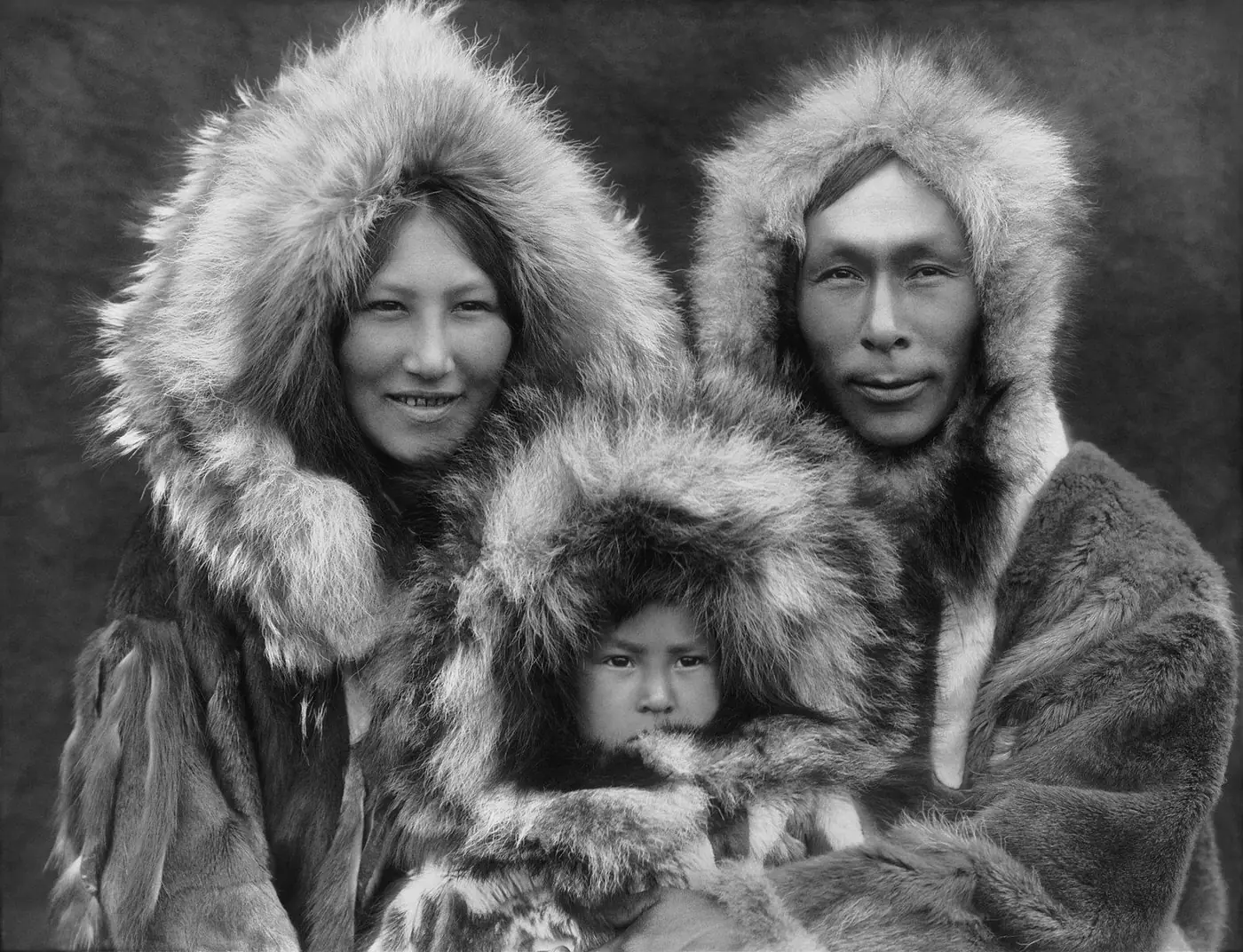
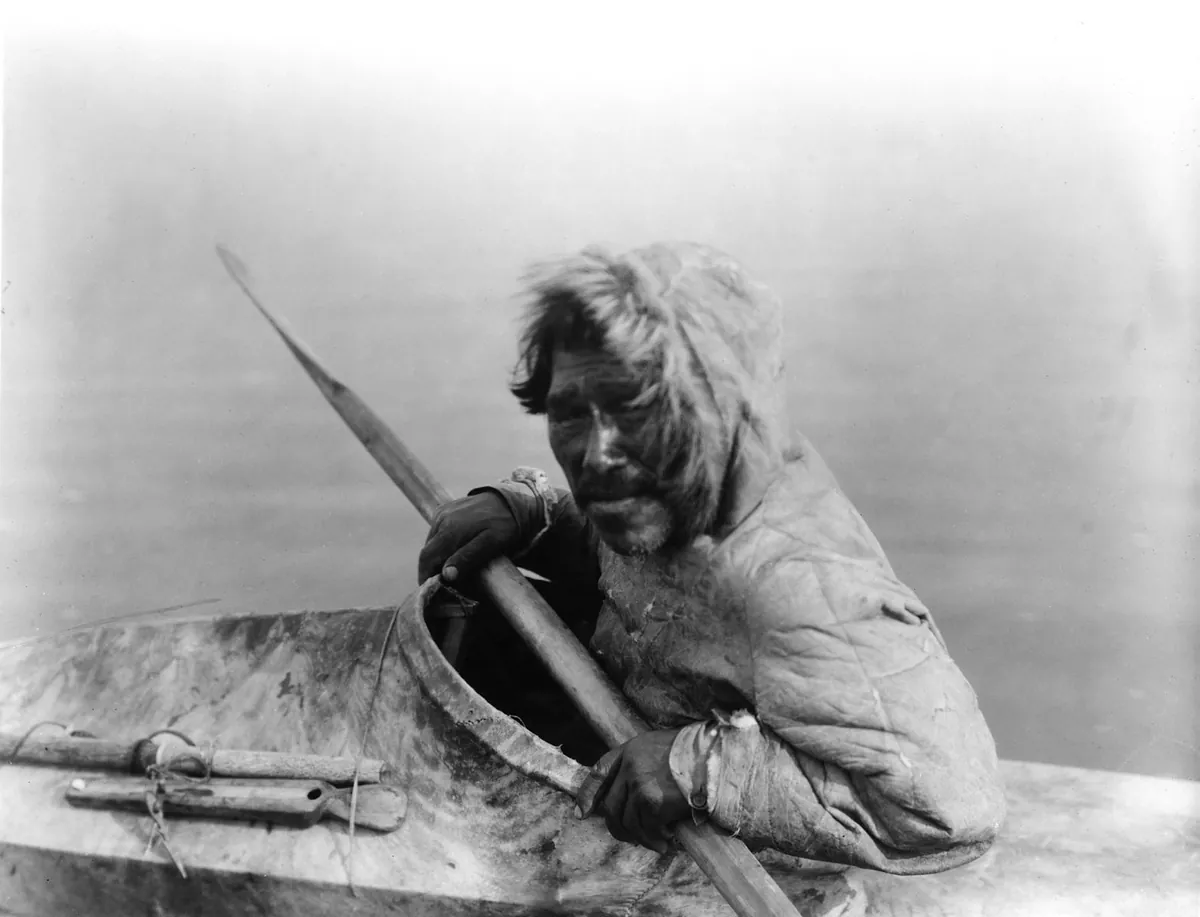
Members of the Eskimo Indigenous nation who live in the Arctic of Canada, Alaska and Greenland. They ate the meat of seals, reindeer, birds, walruses, bears, fish and whales.
It is remarkable how well they do on a diet high in fat and protein. The traditional Eskimo diet is practically free of vegetables, crops or dairy, and quite low in carbohydrates.
They did not develop scurvy or any disease caused by vitamin C deficiency, and they showed that today’s nutritional theory of a “balanced diet” is nonsense.
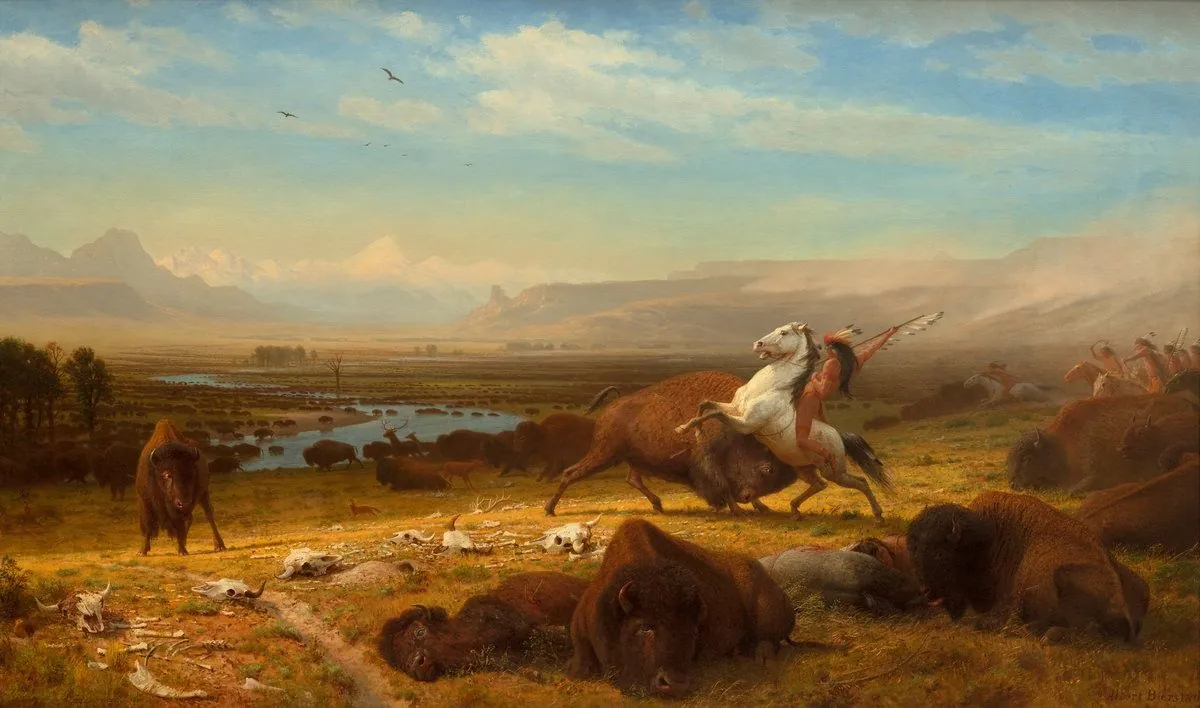
Known as some of the tallest people in the world, with a strong build, Native American Indians hunted large animals such as bison, deer, buffalo, wild sheep, goats, antelope, elk, caribou and bears.


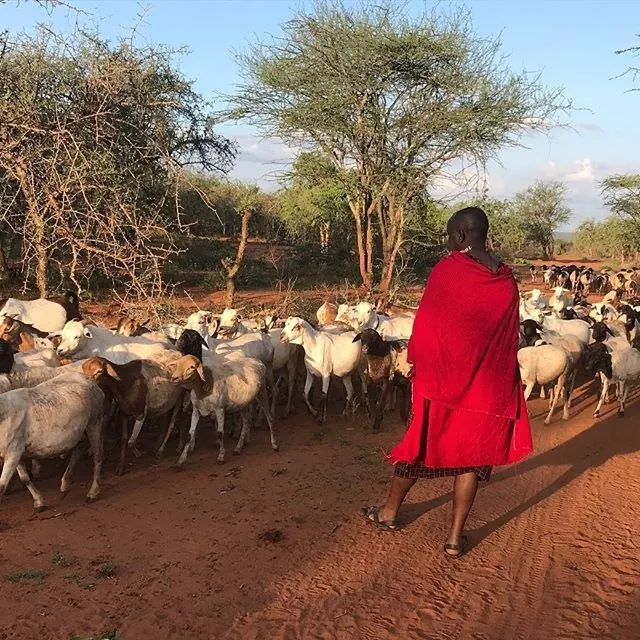
The Maasai tribes are semi-nomadic groups who live mainly in Tanzania and Kenya. Their life revolves around cattle, the basis of their diet: meat, milk and blood.
In the 1960s, the physician George V. Mann studied them in Kenya. They ate only meat, blood and milk, and he noted that they regarded fruit and vegetables as food for cows.

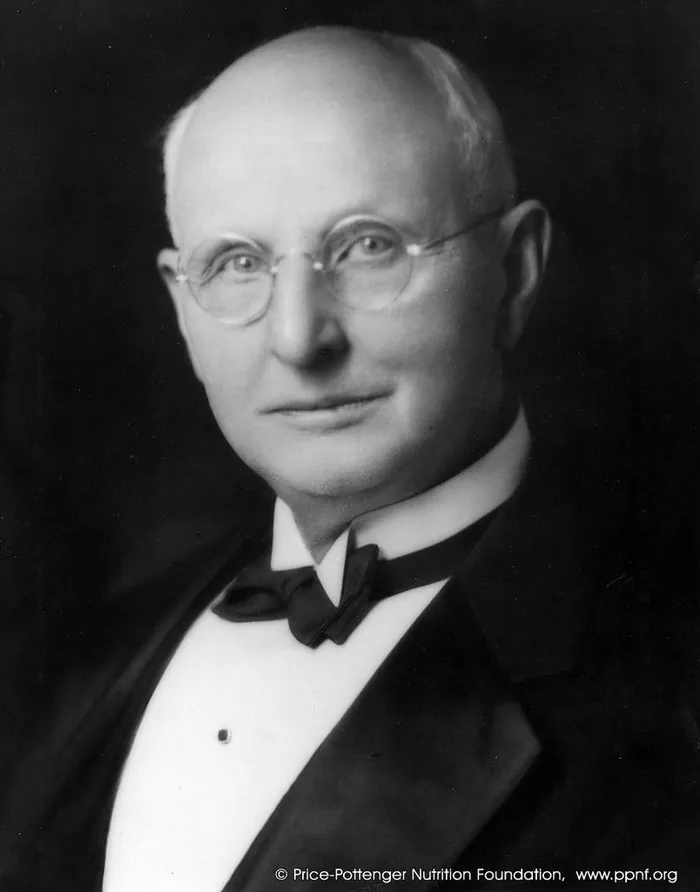
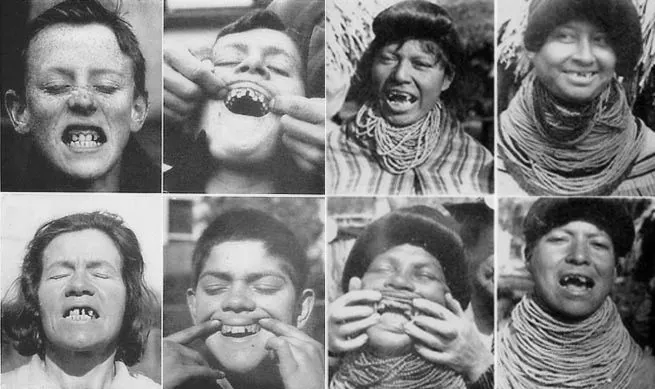
Dentist and researcher
He was a dentist and one of the greatest contributors to what we know today about how diet affects our physical and mental health.
For years he sought out peoples who lived far from civilization yet enjoyed full health.
He studied more than 14 cultures around the world, across Africa, the Americas, Europe and the Pacific.
+14cultures studied
4regions: Africa, the Americas, Europe and the Pacific

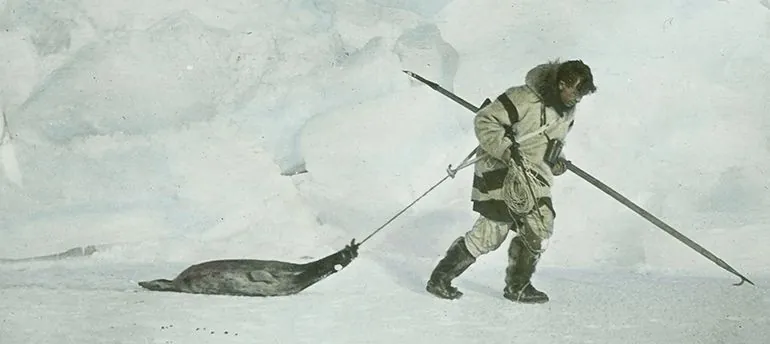
Explorer and ethnologist of the American Arctic, of Icelandic descent
He explored the Arctic and, instead of carrying large food supplies, he ate what the Inuit ate: fish, walrus and other meats.
This was in the early 20th century, when nutrition experts recommended raw vegetables and as little meat as possible.
Stefansson documented the Inuit diet, but met with skepticism from people who did not believe him.
1928 · Bellevue Hospital, New York
Stefansson was not trying to burn fat, but to prove that the Inuit’s meat-rich diet was viable.
To prove it, Stefansson and a fellow explorer followed an all-meat diet in 1928 for a whole year. They began the experiment in a hospital, where doctors could monitor their health.
The doctors who examined the two men during the year-long study reported that neither of them had any problems on a carnivore diet.


“There were no deficiency problems; both men stayed perfectly healthy; their bowels stayed normal; their stools were smaller and odorless.”
1929
Journal of Biological Chemistry 83(3):747–752
doi:10.1016/S0021-9258(18)77101-9Chapter 08
If we could create the best multivitamin for a human being, it would be an animal.
12 to 24 times more bioavailable in animal foods (vitamin A vs. carotenoids).
2 kg of carrots = 85 g of liver
Animal foods are superior sources.
It is calming. Not found in plant foods.
Plant foods are superior sources.
Needed for serotonin. Not found in plant foods.
Lower in animal foods, although some (such as salmon, cod and boiled eggs) contain this vitamin.
Promotes brain health. Not found in plant foods.
Heme iron is at least three times more bioavailable than non-heme iron (from plants). Many plant compounds interfere with the absorption of non-heme iron.
Some plants contain compounds that interfere with calcium absorption.
Some plants contain goitrogens, which interfere with the use of iodine.
Animal foods are superior sources. Some plants contain compounds that interfere with zinc absorption.
A compound found only in animal foods, such as red meat, chicken and fish.
Animal foods are superior sources of carnitine and choline.
2012
Conclusion: idiopathic constipation and its associated symptoms can be effectively reduced by stopping, or even just reducing, dietary fiber intake.
World Journal of Gastroenterology 18(33):4593–4596
doi:10.3748/wjg.v18.i33.4593Percentage of patients with each symptom, by amount of fiber in the diet
| Symptom | Initial diet | High fiber | Reduced fiber | No fiber |
|---|---|---|---|---|
| Constipation | 100% | 100% | 75% | 0% |
| Straining | 100% | 100% | 56% | 0% |
| Bloating | 52% | 100% | 31% | 0% |
| Anal bleeding | 49% | 67% | 25% | 0% |
| Pain | 20% | 50% | 13% | 0% |
Source: Dr. Paul Mason, based on Ho et al. (2012). Values read from the chart in the presentation.
2010
There is no significant evidence to conclude that saturated fat is associated with a higher risk of coronary or cardiovascular disease.
The American Journal of Clinical Nutrition 91(3):535–546
doi:10.3945/ajcn.2009.277251953
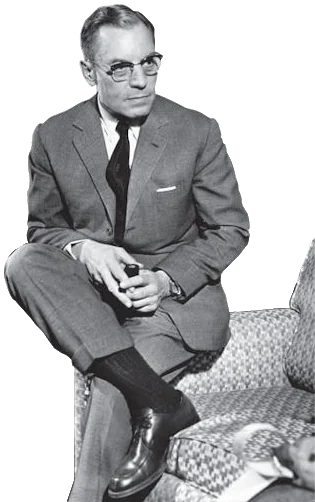
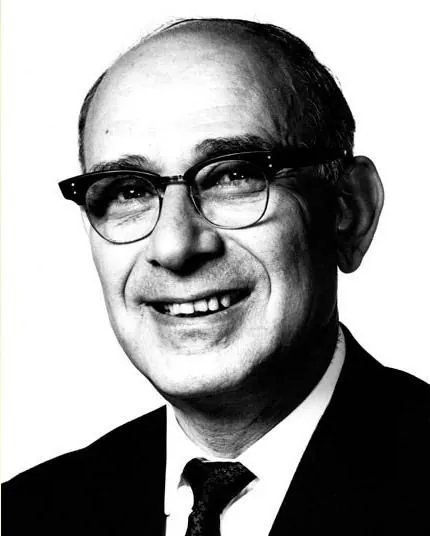
Yudkin argued that saturated fat is closely tied to our evolution: it is abundant, for example, in breast milk.
In his view, we were more likely to fall ill not from the prehistoric substance but from the recent innovation: sugar.
1930
Kidney function tests revealed no evidence of kidney damage.
Journal of Biological Chemistry 87(3):651–668
doi:10.1016/S0021-9258(18)76842-72018
A systematic review of 28 randomized controlled trials found no difference in glomerular filtration rate between people on a high-protein diet (more than 1.5 g/kg/day) and people on a normal- or low-protein diet.
The Journal of Nutrition 148(11):1760–1775
doi:10.1093/jn/nxy1971964
Despite a long, continuous diet of only meat and milk, the men have low serum cholesterol levels and no evidence of atherosclerotic heart disease. This supports the conclusion that dietary fat is not responsible for coronary disease.
Journal of Atherosclerosis Research 4(4):289–312
doi:10.1016/S0368-1319(64)80041-7Educational and informational content that reproduces the author’s ideas. It does not replace guidance from a health professional: talk to one before making major changes to your diet.